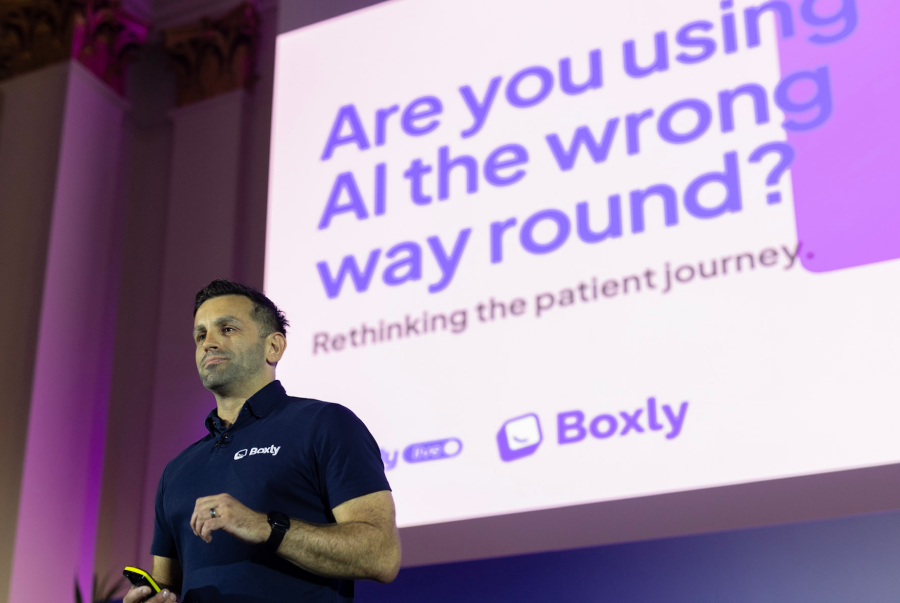
Adam Smith, Co-Founder & Director of Growth, Boxly Keynote Speaker at Dentally Live ~ AI is everywhere.
Attend any dental conference, scroll LinkedIn or speak to a technology supplier, and you'll hear the same message: your practice needs AI.
But I think we're asking the wrong question. The question isn't whether you should use AI. It's whether you're using it in the right place.
Because while AI has enormous potential to improve dentistry, too many practices are using it to replace human interaction instead of enhancing it.
The problem with the AI rush
We've all seen the headlines.
A delivery company's chatbot publicly criticised its own employer. An airline chatbot promised customers a discount that the company later had to honour in court. Even Google's AI made bizarre recommendations after misinterpreting information online.
They're amusing stories, but they highlight a bigger issue: businesses are adopting AI because they feel they have to, not because they've carefully considered where it delivers the most value. Dentistry is beginning to face the same challenge.
We're solving the wrong problem
When practices start exploring AI, the conversation usually centres around reception.
"We're missing too many calls."
"Our team is overwhelmed."
"We need an AI receptionist."
But missed phone calls aren't the real problem. They're the symptom.
The real issue is that patients often have no alternative.
Think about the number of calls that involve booking appointments, rescheduling, updating details or asking simple questions. Many of these tasks don't require a conversation at all - they just need a quicker, easier way for patients to get things done.
When those digital options don't exist, the phone becomes the only route. Instead of fixing that journey, many practices automate the phone call. That's AI the wrong way round.
The Doorman Fallacy
One of my favourite ideas comes from Rory Sutherland, who describes something called the Doorman Fallacy.
Imagine a luxury hotel trying to reduce costs.
Someone suggests replacing the doorman with automatic doors. It saves money, and technically the doors still open.
But the doorman's real job was never opening doors. They welcomed guests, created a great first impression and made people feel valued from the moment they arrived.
Reception teams in dentistry play exactly the same role.
They're often the first human connection a patient has with your practice. They reassure anxious patients, build trust and create confidence long before treatment begins.
The problem isn't that practices have reception teams. The problem is that those teams spend far too much of their day tied up with repetitive administrative tasks. The answer isn't to replace them with AI. It's to give them the time to do what people do best: build relationships.
AI should work behind the scenes
Imagine a patient who's been considering Invisalign for months.
It's 9pm on a Tuesday. The kids are in bed, and they finally have a few minutes to research treatment.
What happens next?
If they have to fill out a contact form and wait until tomorrow, you've created friction.
If they're forced into a phone conversation for something simple, you've created another barrier.
Now imagine a smoother experience.
They can book online, reschedule appointments, ask straightforward questions and complete forms whenever it suits them.
Then, when they genuinely need advice or reassurance, a real member of your team is ready to help.
The patient doesn't care whether AI was involved behind the scenes. They care that everything felt effortless.
That's AI being used the right way round.
Technology should empower people, not replace them
The best use of AI isn't replacing conversations.
It's removing the repetitive work that stops your team having meaningful ones.
Today's technology can already help practices identify patients who may cancel, spot treatment opportunities, personalise communication and automate routine administration. That gives your team more time to focus on what technology can't replicate: empathy, reassurance and building trust.
Patients don't choose a practice because it has AI. They choose a practice because they feel looked after.
AI should strengthen that feeling - not get in the way of it.
The future belongs to practices that get the balance right
AI will undoubtedly shape the future of dentistry. But the practices that succeed won't be the ones that automate the most. They'll be the ones that automate the right things.
They'll remove unnecessary friction from the patient journey while protecting the moments where human interaction matters most.
That's the real opportunity. Use AI to handle the heavy lifting. Let technology simplify administration and improve efficiency.
Then empower your team to focus on creating exceptional patient experiences.
Don't replace the doorman. Give them superpowers.
Because that's what using AI the right way round really looks like.


.jpg)


